
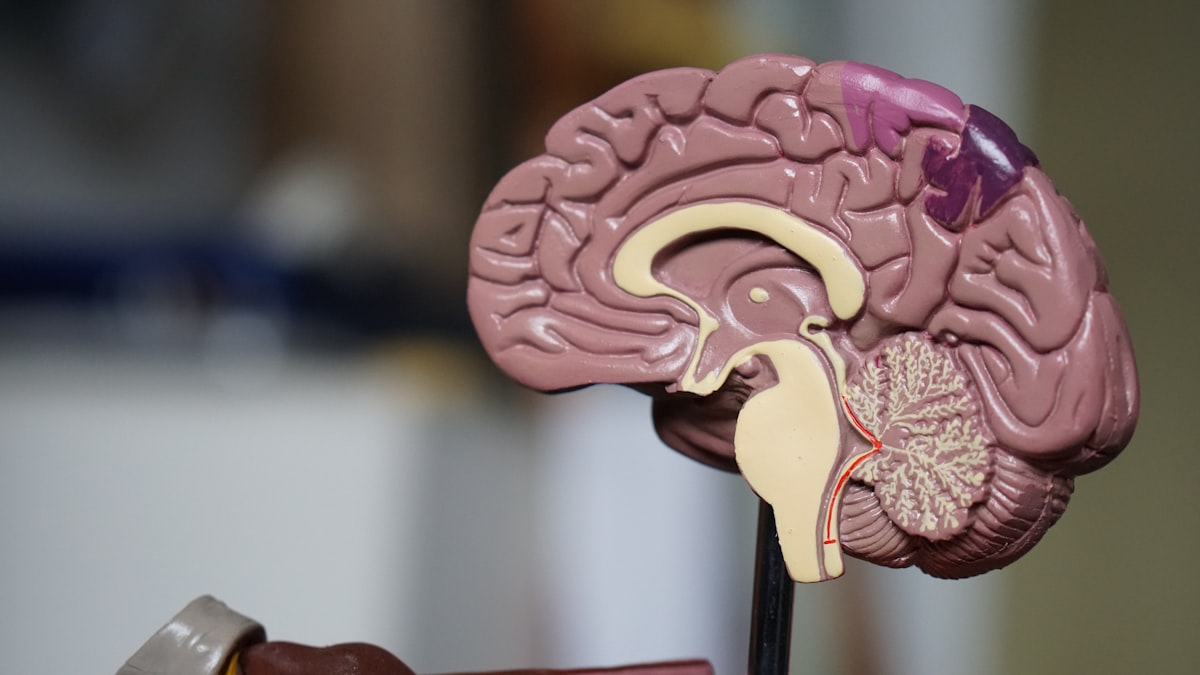
Neurological warning signs you should never ignore
The nervous system is a network of roughly one hundred billion neurons capable of generating, receiving and transmitting impulses. When that network is disturbed, the clues can be subtle or dramatic. Families often wait because they do not want to “overreact.” In neurology, timing is part of the treatment. This guide helps you distinguish a planned clinic visit from a same-day emergency.
Act immediately
Seek emergency services without delay for sudden weakness or numbness on one side of the face, arm or leg; sudden trouble speaking or understanding; sudden visual loss; a headache that reaches maximum intensity within seconds; a first seizure; or collapse with confusion afterward. These patterns can indicate stroke, haemorrhage or other time-critical events. Do not drive yourself. Do not wait to see if it “passes after tea.”
Book a neurology appointment soon
Recurring headaches that change character, progressive numbness, tremor that interferes with handwriting, memory lapses noticed by relatives, dizziness with walking difficulty, or nerve pain that disturbs sleep all deserve a structured review. Bring a diary: date, duration, triggers, associated nausea, light sensitivity, and what helped. A good diary shortens the path to a working diagnosis.
“Neurology is detective work. The story you tell—and the timeline you write down—is as important as any scan.”
Headache is not one disease
Migraine, tension-type headache, medication-overuse headache and secondary headache from other conditions can look similar in a waiting room. Red flags include headache that wakes you, headache with fever and stiff neck, headache after trauma, or headache in someone with cancer or immunosuppression. We would rather see you once and reassure you than miss a secondary cause.
Seizure, faints and “funny turns”
Not every loss of awareness is epilepsy. Low blood pressure, heart rhythm change and metabolic shifts can mimic neurological events. That is why Empire Health neurologists and cardiologists confer when the story is mixed. Never stop prescribed anti-seizure medicine on your own.
Living with a chronic neurological condition
After the acute phase, care becomes a partnership: medication review, physiotherapy, sleep, mood and family education. We write plans you can share with employers or caregivers, and we schedule follow-up before you leave so you are not lost between visits.
Request Dr. Marcus Chen or another neurologist via Appointments. If you are unsure whether the symptom is urgent, use the contact form and describe the onset clearly so a coordinator can advise the safer path.